
How to Start 3D Animation: Practical Tips
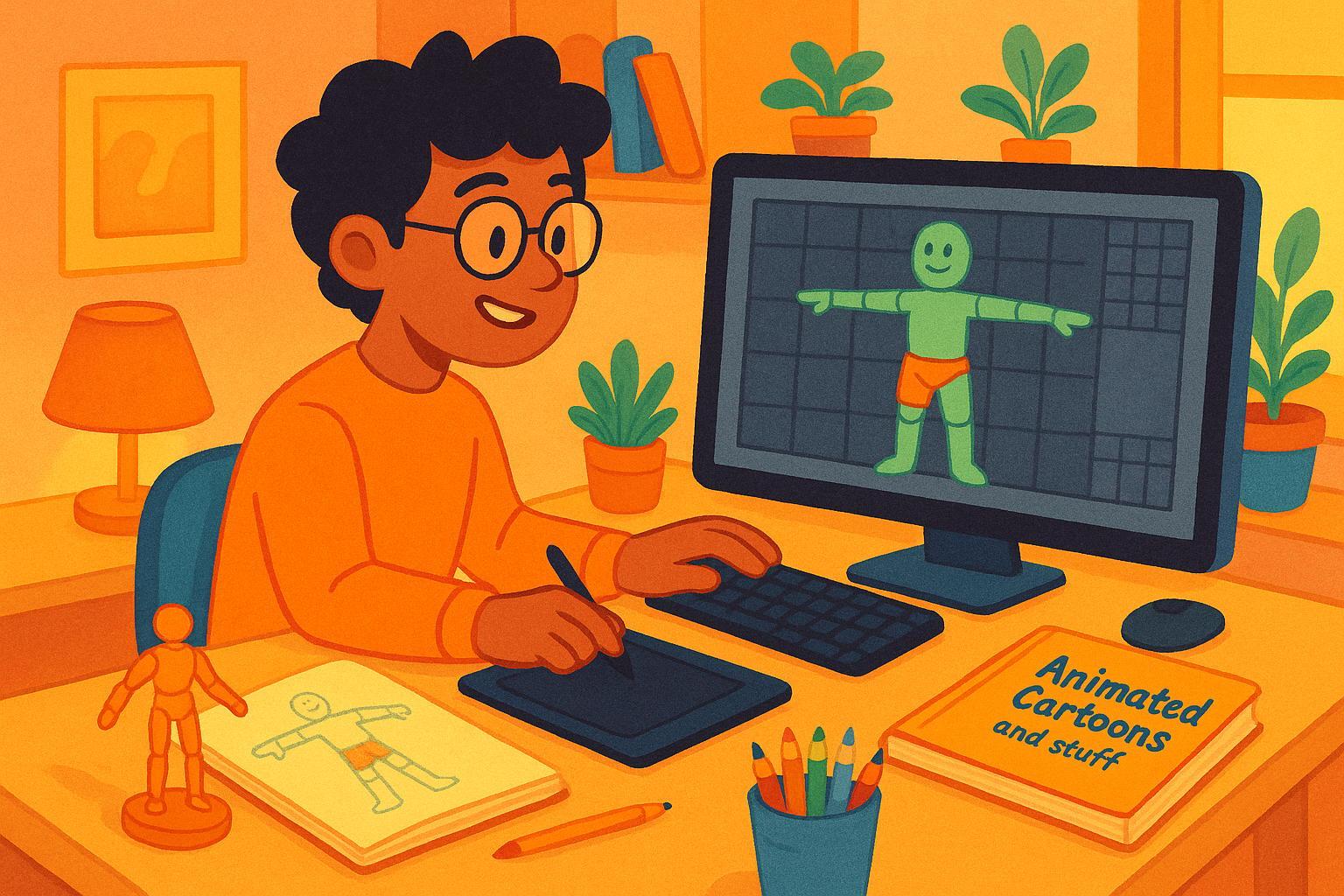
3D animation is a fascinating and rapidly growing field, offering endless possibilities for creating engaging stories, captivating visuals, and educational content for children and adults alike. For parents, educators, and aspiring animators interested in diving into this world, learning where to start and how to progress can feel overwhelming. Fortunately, insights from experienced creators like Ian and guest Alistister Clutter provide a valuable roadmap for beginners.
This article distills their discussion into actionable tips, covering the essential steps to start your journey in 3D animation, the tools to use, and the mindset you need to succeed. Whether you're a parent aiming to create personalized digital stories for your kids or an aspiring animator exploring a creative career, this guide offers practical advice tailored to your needs.
The Beginner’s Journey: Why 3D Animation and How to Transition from 2D
Alistister Clutter’s fascinating journey into 3D animation offers a relatable starting point for beginners. Like many, he began his creative path through live-action filmmaking and eventually transitioned into 2D animation before settling on 3D. Why the leap from 2D to 3D? For Alistister, the answer was control and creative freedom. With animation, you don’t need a cast or crew - your characters are entirely under your creative direction.
Why Start with 2D Before 3D?
Ian and Alistister agreed that starting with 2D animation can be a great stepping stone for beginners. Here’s why:
- Fewer Technical Challenges: 2D focuses on foundational animation principles without the steep learning curve of mastering materials, rendering, and detailed 3D workflows.
- Faster Learning Curve: Concepts like timing, keyframes, and the 12 principles of animation are easier to grasp in 2D.
Once those principles are internalized, transitioning to 3D becomes more intuitive. As Alistister noted, "The fundamentals are the same. 2D animation helped me learn faster and become a better 3D animator."
Tools of the Trade: Essential Software for 3D Animation
One of the most common questions for beginners is, "What software do I need?" Alistister shared his go-to tools for creating his 3D animations. Here’s a breakdown:
1. Character Creation
- Software Used: Character Creator 4/5
Character Creator allowed Alistister to design unique, customizable characters without needing advanced modeling skills. Beginners can use pre-built morph sliders to adjust features and create original designs.
2. Animation and Motion
- Software Used: iClone
iClone was Alistister's main animation software. For beginners, it offers premade motion clips that can be dragged and dropped onto characters, saving time and effort. However, blending these motions smoothly remains a critical skill to master.
3. Rendering
- Software Used: Unreal Engine
Rendering in Unreal Engine elevated the visual quality of Alistister’s projects. While rendering directly in iClone is possible, Unreal Engine offers more realistic lighting and effects, which can make animations visually stunning.
4. Editing and Audio
- Editing Software: Final Cut Pro
- For post-production, Alistister used Final Cut Pro on his MacBook, assembling and polishing his animations.
- Audio Tool: Audacity
- Audacity, a free audio editing tool, was used for recording and fine-tuning voiceovers and sound effects.
Practical Tips for Learning Animation Quickly
If you’re just starting out, diving into animation can feel overwhelming. Both Ian and Alistister emphasized the importance of focusing on specific areas to accelerate learning. Here are their top tips:
1. Start Small and Finish What You Begin
- Avoid starting with a long or complex project. Begin with short animations (2–3 scenes) to see results faster. Alistister’s 400-hour challenge taught him that finishing smaller projects is far more motivating than getting stuck on overly ambitious plans.
2. Understand the Three Pillars of Animation
Alistister identified three key areas to focus on as a beginner:
- Animation Techniques: Learn the 12 principles of animation (e.g., timing, squash and stretch, anticipation) to bring characters to life convincingly.
- Software Mastery: Take time to familiarize yourself with the tools you’ll use (e.g., iClone, Unreal Engine) to streamline your workflow.
- Composition and Cinematography: Learn camera angles, framing, and lighting to tell compelling visual stories.
3. Be Organized
- Take notes as you learn, especially when following tutorials or online resources. Keeping track of tips and tricks will save you time later.
4. Use Online Resources Wisely
- While YouTube is an excellent free resource, it can also be overwhelming. Consider supplementing your learning with structured online courses, which provide more focused and comprehensive instruction.
Challenges in 3D Animation and How to Overcome Them
Alistister’s journey highlights some common challenges in 3D animation:
1. Time-Consuming Workflow
- Creating a high-quality animation, even for a short film, can take hundreds of hours. To save time, Alistister used pre-made assets from marketplaces like TurboSquid and Unreal Engine’s store rather than building everything from scratch.
2. Steep Learning Curve
- 3D animation demands more technical skills than 2D, including understanding materials, lighting, and rendering. Patience and consistent practice are key.
3. Balancing Storytelling and Technical Skills
- For Alistister, storytelling was his primary goal. By focusing on pre-made assets and automated tools, he had more time to craft meaningful narratives.
The Importance of Storytelling in Animation
For Alistister, animation is not just about the technical side - it’s about storytelling. From his first live-action projects in his church to his current animations, the desire to visually tell meaningful and engaging stories has driven his work.
His advice for aspiring animators? Focus on the story first. Animation is a tool to bring your vision to life, but a great story will always resonate more than flashy effects.
Key Takeaways
For parents, educators, and aspiring animators looking to dive into 3D animation, here are the most important lessons from Ian and Alistister’s conversation:
- Start with 2D Animation to learn foundational principles before transitioning to 3D.
- Use Beginner-Friendly Software like iClone for animation, Character Creator for character design, and Unreal Engine for rendering.
- Focus on Short Projects to see results quickly and build confidence.
- Master the Three Pillars of animation: technical skills, storytelling principles, and composition/cinematography.
- Leverage Online Resources like YouTube tutorials and structured courses, but stay organized and avoid information overload.
- Invest in Pre-Made Assets from marketplaces to save time and focus on storytelling.
- Start with Clear Goals: Whether creating for personal satisfaction or professional growth, define what you want to achieve before diving in.
- Don’t Skip the Fundamentals: Learn the 12 principles of animation, as they are essential for creating dynamic and engaging scenes.
- Stay Patient and Motivated: Animation is hard work, but consistent practice and small wins will help you improve over time.
Final Thoughts
3D animation is a rewarding but challenging art form. Whether your goal is to craft stories for your children, teach students through engaging visuals, or pursue a creative career, the key is to start small, focus on learning the fundamentals, and stay inspired. Alistister’s journey shows us that even with limited resources and time, it’s possible to create meaningful and impactful animations.
So, take that first step - download a free tool, follow a beginner’s tutorial, and let your creativity lead the way. Happy animating!
Source: "Wholesome 3D: Inside Allistair Cloete’s Animation Journey" - Start Animating, YouTube, Sep 18, 2025 - https://www.youtube.com/watch?v=3klXv20uyBs
Use: Embedded for reference. Brief quotes used for commentary/review.
Related posts
LongStories is constantly evolving as it finds its product-market fit. Features, pricing, and offerings are continuously being refined and updated. The information in this blog post reflects our understanding at the time of writing. Please always check LongStories.ai for the latest information about our products, features, and pricing, or contact us directly for the most current details.