
How to Learn Animation Fast: Start Doing Today
For aspiring animators and content creators, the journey to creating their first animation can feel daunting. Many spend endless hours consuming tutorials, purchasing courses, and diving into free content, only to find themselves stuck in a cycle of preparation without action. But what if the key to rapid learning and success wasn’t consuming more information, but actually starting to animate?
This transformative article dives into the essence of what holds new animators back from achieving their creative goals. Based on insights shared by experienced animator Ion, we’ll explore the pitfalls of over-preparation and why adopting a "learn by doing" mindset is the quickest and most effective path to success.
Why Animators Struggle to Start: The Trap of Overlearning
One of the biggest obstacles for new animators is the belief that they need to master everything before beginning their first animation. According to Ion, this mindset is pervasive among beginners. Many feel they aren’t ready and keep postponing their projects, opting instead to consume more content. However, this cycle often leads to frustration and stagnation.
The Problem with Passive Learning
Ion highlights some startling statistics that reflect this issue:
- Only 3% of people consuming free content (like YouTube tutorials) actually take action on what they learn.
- Around 80% of students who purchase online courses never complete them.
This means that most aspiring animators are stuck in a passive learning mode, gathering knowledge but never putting it into practice. The root of this problem boils down to hesitation and a lack of confidence in starting before feeling fully prepared.
Why You'll Never Feel "Ready"
Ion compares animating your first project to raising a child. No parent ever feels completely ready for the responsibility, but as challenges arise, they find solutions along the way. Similarly, the act of creating animation forces you to confront problems and develop solutions in real time. Waiting to feel "ready" only delays the inevitable.
The Case for Doing: Why Action Beats Preparation
The message is clear: Start now, even if you feel unprepared. Here’s why taking immediate action is a game-changer for animators:
1. The Best Way to Learn Is by Doing
No amount of theory can replace hands-on experience. By working on a project, you’ll encounter real-world challenges - and solving them will deepen your understanding far more than passively consuming content. Animation is a skill honed through practice, not perfection before starting.
2. You'll Learn as You Go
Humans are naturally problem-solvers. When you run into a hurdle while animating, you’ll seek out specific solutions - whether through a targeted YouTube video, an online course, or guidance from a mentor. This targeted learning is more efficient than trying to preemptively master every possible aspect of animation.
3. You'll Discover Areas for Improvement
Your first project acts as a baseline. Once it’s complete, you’ll have a tangible product to evaluate. What worked? What didn’t? This reflection is critical for growth. Without creating anything, you’ll never know where to focus your learning or how your skills stack up.
4. It’s Cost-Effective
Instead of spending money on multiple courses that might not address your exact needs, start animating and invest in resources only when you hit roadblocks. This approach saves money and ensures you’re learning what’s truly relevant to your project.
5. It’s Rewarding
Seeing your first animation come to life is an incredibly fulfilling experience. It reinforces your confidence and gives you the motivation to tackle bigger projects.
Practical Steps to Start Animating Today
Feeling inspired but unsure where to begin? Here’s how to shift from passive learning to active creation:
Step 1: Start Small
Don’t aim for a feature-length project right away. Begin with a short, manageable animation - something you can realistically complete within a few weeks. This will give you an achievable goal while reducing the pressure to be perfect.
Step 2: Embrace Imperfection
Your first animation won’t be perfect, and that’s okay. Think of it as a learning tool rather than a final masterpiece. Every mistake is a stepping stone toward improvement.
Step 3: Seek Targeted Help
When you hit a roadblock, look for specific solutions:
- Watch a tutorial addressing your exact problem.
- Consult an experienced animator or mentor for guidance.
- Take a short course focused on the skill you’re struggling with.
Step 4: Reflect and Refine
Once your project is complete, analyze it critically. Identify areas where you excelled and areas for growth. Use this insight to inform your next project.
Step 5: Build Consistency
Animation is a skill that improves with practice. Commit to regular animating sessions, even if it’s just for an hour a day. Over time, you’ll build momentum and see significant progress.
The Transformative Power of Action: Ion's Journey
Ion’s own journey is a testament to the power of starting before you’re ready. His first animation project - a children’s music video - wasn’t perfect, but it went on to win an award for Best Children’s Music Video. This success wasn’t due to endless preparation but to taking action, learning along the way, and continuously improving.
His current project, a 3D animated film, is another example of starting with uncertainty. Despite not having the funds for the full production, Ion began anyway, trusting that solutions would emerge as he progressed. Phase one of the project is now fully funded and complete, showcasing the power of momentum and resourcefulness.
Key Takeaways
- Action is the key to learning: Start animating today, even if you feel unprepared.
- Avoid over-preparation: Consuming tutorials and courses without action leads to stagnation.
- Focus on solving problems as they arise: Targeted learning is more effective than preemptive mastery.
- Your first animation will be your baseline: Use it as a tool to identify areas for improvement.
- Start small: Choose a manageable project to build confidence and momentum.
- Consistency is crucial: Regular practice leads to steady progress.
- Embrace imperfection: Mistakes are part of the learning process and a stepping stone to growth.
Final Thoughts
The journey to becoming an animator begins with a single frame. Stop waiting for the perfect moment to start - because it doesn’t exist. Every successful animator once faced the same doubts, but they overcame them by taking action. Your first project might not be perfect, but it will be yours, and it will mark the beginning of your animation journey.
Remember, the best way to learn is by doing. Start your first animation project today, and let the process teach you what no tutorial ever could. Happy animating!
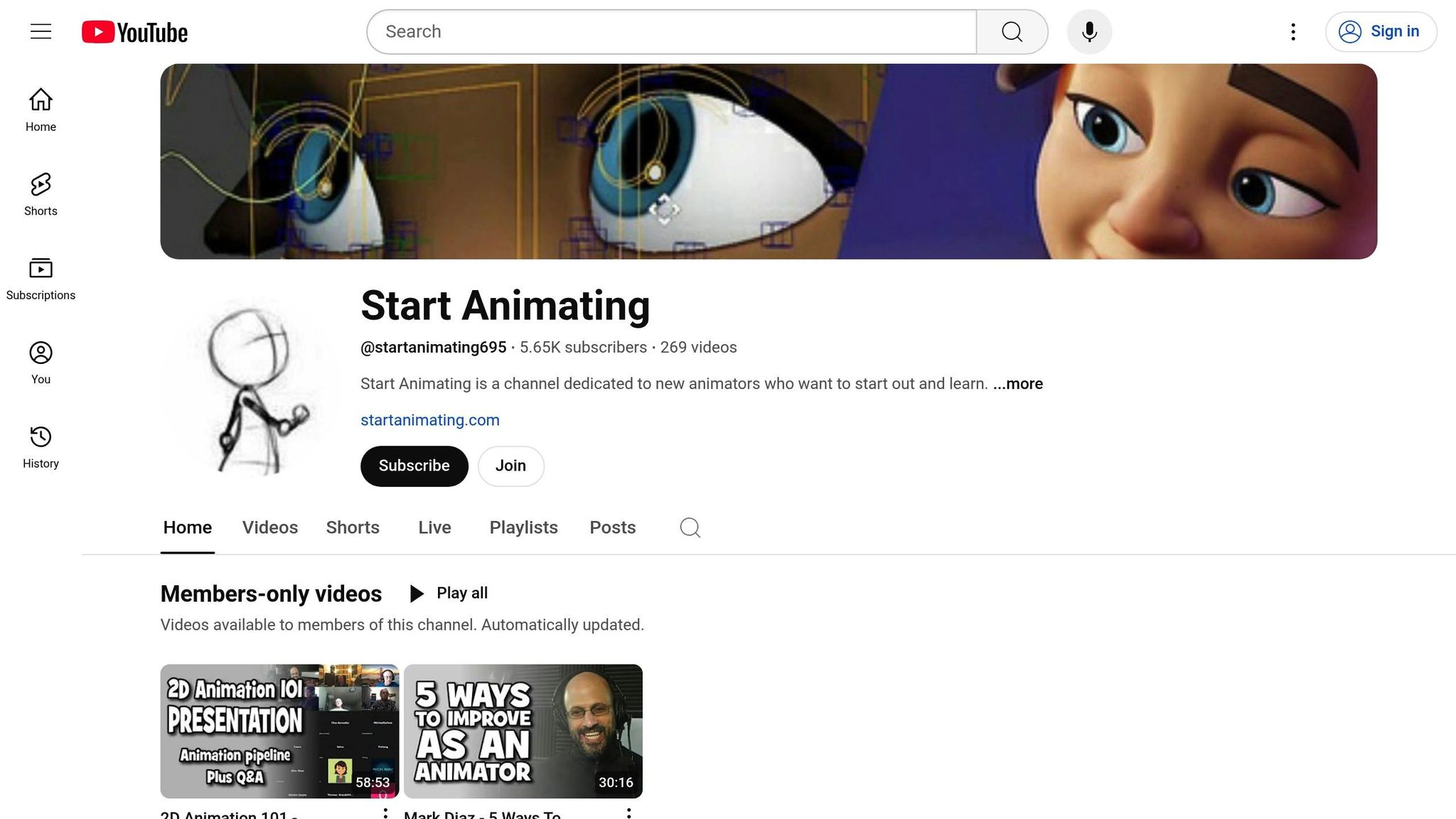
Source: "Learning Animation vs. Doing Animation – What Really Works" - Start Animating, YouTube, Aug 28, 2025 - https://www.youtube.com/watch?v=rxglqzfNn4E
Use: Embedded for reference. Brief quotes used for commentary/review.
Related posts
LongStories is constantly evolving as it finds its product-market fit. Features, pricing, and offerings are continuously being refined and updated. The information in this blog post reflects our understanding at the time of writing. Please always check LongStories.ai for the latest information about our products, features, and pricing, or contact us directly for the most current details.