
How to Parent Kids Through the AI Revolution
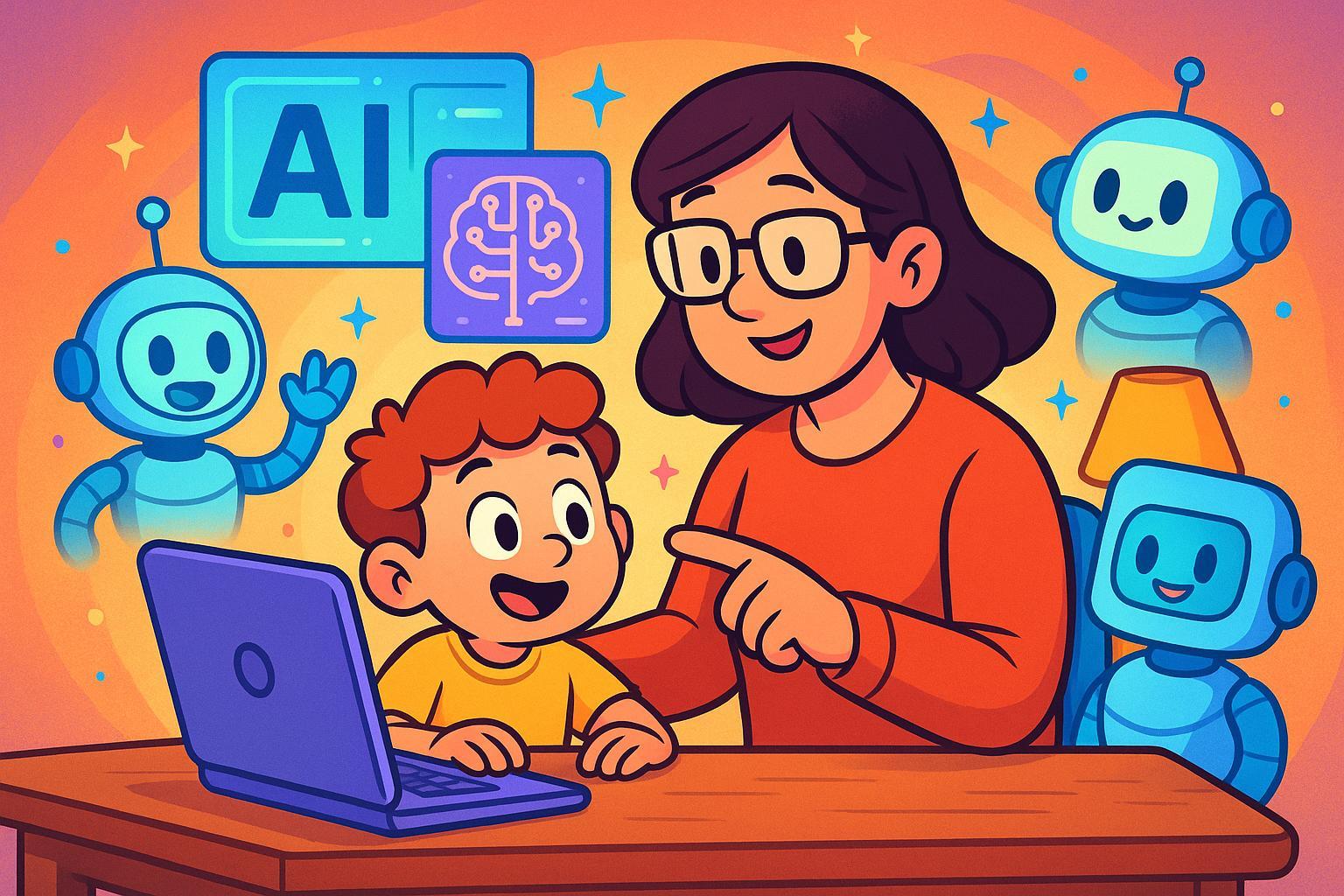
The rapid ascent of artificial intelligence (AI) is leaving few areas of modern life untouched. For parents, the stakes feel especially high, as they navigate how to raise children in an era where technology evolves faster than ever before. In a recent discussion on the podcast Raising Us, journalist and host Elise Hu spoke with Barathunde Thurston, creator of the podcast Life with Machines, about how families can embrace the opportunities of AI while safeguarding children from its potential pitfalls.
This article explores their conversation, offering practical advice, thoughtful insights, and actionable steps to help parents guide their kids through the complexities of AI and digital living.
The Changing Generational Gap in Technology
Barathunde Thurston began by reflecting on his own tech-forward upbringing in the 1980s. His mother, a computer programmer, introduced him to computers at an early age, which fostered his fascination with technology. Yet, he noted something profound: the gap between generations in terms of technology exposure is shrinking faster than ever. While past generations experienced relatively similar childhoods, the rapid development of modern tech means siblings just a few years apart can have vastly different digital experiences.
This accelerated pace of technological change presents a unique challenge for parents: how do you provide guidance when the tools your children are using didn’t exist a year - or even six months - ago? Thurston suggests this requires humility, curiosity, and a willingness to learn alongside kids.
The Need to "Parent" AI
Thurston introduced the idea of "parenting" AI itself, likening the development of artificial intelligence systems to raising a child. While AI isn’t human and doesn’t possess actual consciousness, the metaphor sheds light on its formation. AI learns from the data it's trained on, which acts as its "curriculum." This means our society collectively shapes AI's "behavior" through the content and cultural norms it consumes.
Parents, he argued, should think critically about the technology their children interact with - not only to safeguard them but also to influence the ethical development of AI systems. Thurston called for greater societal involvement in how AI is "taught", much like parents actively engage in their children’s education.
Helping Kids Navigate AI: Practical Tips
1. Co-Explore AI Tools Together
Rather than approaching AI as a mystery to decode, Thurston emphasized the value of learning alongside children. He encouraged parents to play with AI tools like chatbots collaboratively, exploring their potential while modeling critical thinking. For example:
- Interactive storytelling: Work with your child to create a story one sentence at a time, alternating between family members and an AI chatbot. This keeps the creative process human-centered while demonstrating the tool’s capabilities.
- Exploring interests: If your child is passionate about dinosaurs or space, use AI to generate fun facts or new ideas, making learning engaging and interactive.
By doing this, parents not only demystify AI but also foster a sense of mutual understanding and shared curiosity.
2. Set Boundaries Around Chatbots
Thurston warned about the risks of unsupervised interactions with chatbots, especially for younger children. Despite their helpfulness, these tools can behave unpredictably or provide harmful content. He strongly urged parents to:
- Supervise usage: Any interaction with chatbots should occur under the watchful eye of an adult to ensure the conversation stays appropriate.
- Limit exposure: For younger children, avoid chatbots altogether unless absolutely necessary. For older children, establish clear rules about when and how to use them.
3. Teach Media Literacy Early
AI can generate content that looks and sounds incredibly convincing, even when it's false. Thurston suggested explaining to kids that these tools are essentially enormous databases of human knowledge, capable of creating things that feel true but may not be accurate. He recommended teaching children the importance of verifying information, much like they would double-check what a friend tells them.
A useful analogy for kids: think of AI as a "magic super library" where you can talk to books, songs, and movies. While this library can be incredibly helpful, it requires careful discernment to separate fact from fiction.
4. Advocate for AI Safety Measures
Parents wield significant influence over structural changes in society. Thurston encouraged adults to channel this power into advocating for better safeguards around AI, from stricter regulations to ethical design principles. For instance:
- Pushing for transparency about how AI models are trained and where their data comes from.
- Supporting legislation that holds companies accountable for creating child-safe digital environments.
Fostering Healthy Digital Habits
Screen Time and Balance
One of the biggest concerns for parents in the digital age is managing screen time. Thurston suggested reframing this challenge by engaging with kids about their technology use rather than simply policing it. By acknowledging that adults also struggle with over-reliance on devices, parents can open a dialogue about shared accountability.
For example:
- Model healthy behavior: Show your kids that you can set down your phone during family time.
- Be honest about struggles: Admit when you're finding it hard to unplug and work together to set limits.
Building Bridges with AI
Thurston highlighted another innovative use of AI: as a bridge for cross-generational understanding. Parents can use tools like chatbots to "translate" complex topics their children are studying into simpler language they can understand. This not only helps them connect with their kids’ learning but also shows how AI can be utilized to enhance communication rather than create divisions.
Embracing Creativity with AI
AI tools open up unprecedented opportunities for creativity, and Thurston offered several family-friendly activities to harness this potential:
- Collaborative Storytelling: Combine human imagination with AI-generated input to craft unique narratives.
- Illustrating Stories: Use AI tools to create illustrations or animations for stories your kids write.
- Personalized Learning: Tailor AI’s capabilities to your child’s specific interests, turning their favorite subjects into fun learning experiences.
These activities not only encourage creativity but also help kids see AI as a tool to amplify their ideas rather than replace their abilities.
Conclusion: Learning Together in the Age of AI
As the conversation emphasized, navigating the AI revolution isn’t just about teaching kids - it’s about learning together. The rapid pace of technological change means that no one has all the answers, and that’s okay. By embracing humility, curiosity, and open communication, parents can foster a sense of trust and collaboration with their children.
With great power comes great responsibility, as the Spider-Man quote goes. For parents, this means guiding their kids to use AI responsibly while advocating for a safer, more ethical digital world. The AI revolution may feel daunting, but by taking it one step at a time, families can not only adapt but thrive in this transformative era.
Key Takeaways
- Generational Tech Divide: The rapid pace of technological change means children’s experiences with AI and digital tools differ even from their older siblings.
- Parenting AI: Think of AI as something society is collectively "raising." Be mindful of its data sources and societal influence.
- Supervise AI Use: Ensure young children use chatbots and similar tools only with adult supervision to prevent harmful outcomes.
- Promote Media Literacy: Teach kids to question and verify information produced by AI tools.
- Collaborative Learning: Explore AI tools together with your child, fostering curiosity and mutual understanding.
- Advocate for Change: Push for stronger ethical guidelines and safety measures in AI development.
- Balance Screen Time: Model healthy technology habits and admit your own challenges with digital balance.
- Embrace Creativity: Use AI to co-create stories, engage in collaborative projects, and personalize learning experiences.
By following these insights, parents can empower their children to navigate the AI revolution with confidence, critical thinking, and creativity.
Source: "AI Is Here. How Do We Parent Through It? | Baratunde Thurston | A Kids Co." - A Kids Co., YouTube, Sep 30, 2025 - https://www.youtube.com/watch?v=DExSJyjJ1Gs
Related posts
LongStories is constantly evolving as it finds its product-market fit. Features, pricing, and offerings are continuously being refined and updated. The information in this blog post reflects our understanding at the time of writing. Please always check LongStories.ai for the latest information about our products, features, and pricing, or contact us directly for the most current details.