
Ohio becomes first state to mandate AI guidelines for public schools
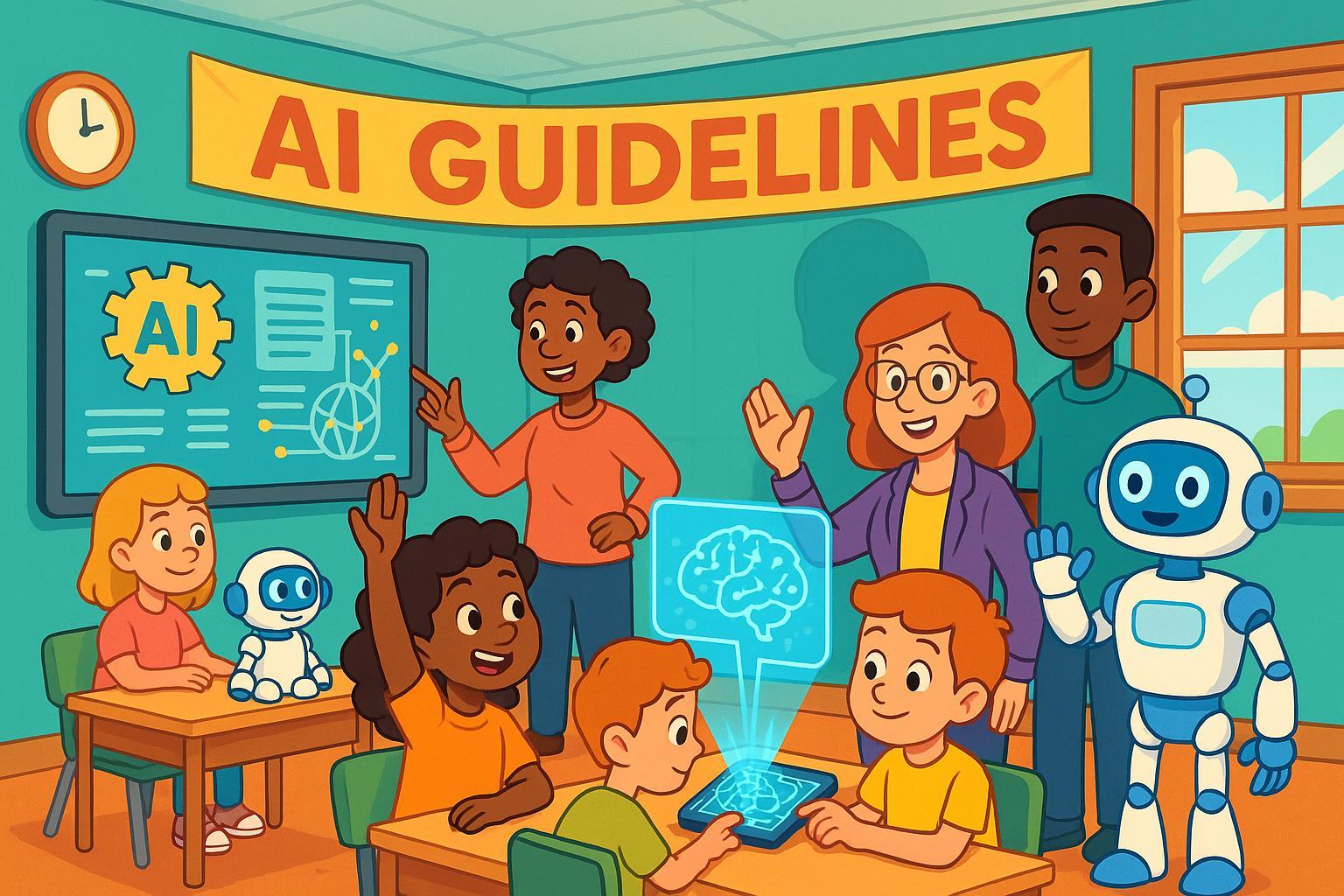
Ohio has become the first state in the nation to require public schools to implement policies on the use of artificial intelligence (AI), a significant step as educational institutions grapple with the growing presence of AI technologies.
The Ohio Department of Education & Workforce announced on August 20 that it will develop a model policy for AI use in K-12 schools by the end of the year. Districts will then have until July 1, 2026, to either adopt this model or create their own policies to comply with state law. The guidelines aim to address "appropriate use of artificial intelligence by students and staff for educational purposes."
While several states have issued guidance on AI usage in schools, Ohio has set itself apart by mandating the adoption of formal policies. According to State Senator Andrew Brenner, who chairs the Ohio Senate Education Committee, the new requirement is a proactive response to the rapid integration of AI into everyday life.
"AI is everywhere now and students are very smart, and they will be able to take advantage", Brenner said in an interview with local media. "It is important that we have the policies in place to make sure that they’re ethically used by students, as well as making sure the teachers have the tools that they need to be able to recognize AI."
Addressing Concerns and Opportunities
The push for AI policies reflects both concerns and opportunities tied to the technology. While the potential for misuse, such as cheating, is a common worry, AI can also play a transformative role in education. For example, the North Ridgeville City School District in Ohio has been using an AI-powered program called Dysolve to support students with dyslexia.
Dysolve’s creator, Coral Hoh, explained how the program helps students identify their learning gaps. "Dysolve is different from all other online programs because the AI system actually interacts with the student to figure out what is the processing issue", Hoh said.
Students with dyslexia often face challenges in language processing, which can hinder academic performance and even cause physical symptoms like headaches. According to Dysolve’s website, the program uses AI to diagnose these processing issues and develop personalized learning solutions. Hoh noted that this approach has led to significant improvements. "When you do that, you see big jumps in test scores because then the skills instruction by the tutor and by the teacher becomes effective", she said.
The program is also cost-effective, being 90% cheaper than other special education tools, and has led to measurable progress in reading and math skills, according to the school district.
A National Gap in AI Policies
Ohio’s initiative highlights a gap in AI policies across the country. A recent report found that only one-third of schools nationwide currently have policies to ensure responsible AI use. By requiring all schools to implement guidelines, Ohio is setting a precedent that could inspire similar measures in other states.
As schools nationwide continue to explore how AI can be responsibly integrated into the classroom, Ohio’s bold move offers a framework for balancing innovation with accountability. The state’s model will likely be closely watched as educators and policymakers navigate the benefits and risks of this transformative technology.
LongStories is constantly evolving as it finds its product-market fit. Features, pricing, and offerings are continuously being refined and updated. The information in this blog post reflects our understanding at the time of writing. Please always check LongStories.ai for the latest information about our products, features, and pricing, or contact us directly for the most current details.