
Maintaining Character Consistency with AI
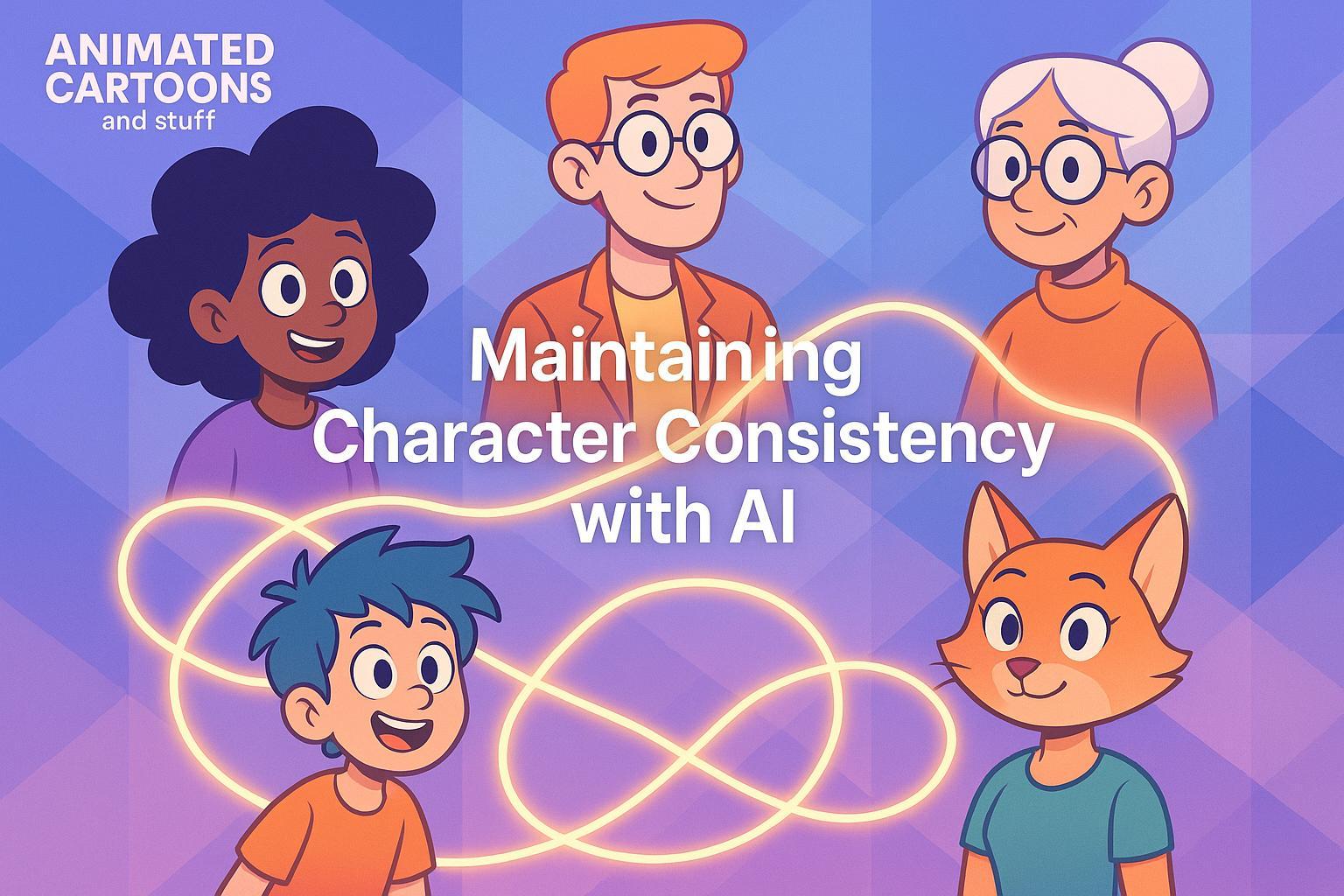
Maintaining character consistency is critical for creating engaging content, especially in series or recurring projects. AI tools now simplify this process by automating tedious tasks and ensuring characters retain their physical traits, style, and identity across episodes or scenes. Here's what you need to know:
- Challenges: Manual methods often lead to "character drift", where small design changes accumulate, breaking immersion and trust.
- AI Solutions: Tools like LongStories.ai, Soul ID, and GoEnhance use features like reusable assets, identity anchoring, and temporal linking to maintain visual continuity.
- Methods:
- Training-Free: Quick solutions using reference images for short-term needs.
- Advanced Techniques: LoRA and fine-tuning for long-term projects requiring high precision.
- Best Practices: Detailed character documentation, centralized reference libraries, and regular quality checks prevent inconsistencies.
AI tools save time, reduce costs, and allow creators to focus on storytelling while ensuring characters stay consistent. Platforms like LongStories.ai are ideal for episodic content, offering features like reusable Universes and bulk editing, starting at $9/month. Whether you're creating social media videos or long-form narratives, AI makes consistency achievable.
How AI Maintains Character Consistency
Identity Anchoring and Reference Systems
AI systems use identity anchoring to keep characters visually consistent across scenes. This involves creating a kind of "digital fingerprint" for each character, based on detailed reference materials. By starting with character sheets and high-quality reference images, the AI locks in essential features like facial structure, clothing, and body shape. Multiple angles and expressions are added to the mix, helping the system better understand and replicate the character’s identity.
A centralized library stores all these references, so there’s no need for manual searches. AI also uses tools like seed values and negative prompts (e.g., "no long hair") to ensure variations stay within defined limits.
Platforms like LongStories.ai take this concept even further with their "Universes" feature. For instance, in November 2025, creators developed "Professor Time's Universe" to produce stories such as "The Great Kraken Scare", "Dancing Plague of 1518", and "Time Travel: Dancing Plague." This feature ensures that characters and visual styles remain consistent across multiple narratives.
Once a character’s identity is firmly established, the AI focuses on maintaining continuity between frames.
Temporal Linking in Video Content
Temporal linking is what allows AI to maintain visual continuity in dynamic video sequences. Instead of treating each frame as a standalone image, the AI tracks how a character looks from one frame to the next. This prevents sudden changes in details like hair color or facial features.
For longer videos, the system combines character references with key style images to ensure consistency across all frames. It also handles scene transitions smoothly, making sure changes in location or expression feel natural while preserving the character's core identity.
AI Methods vs. Manual Methods
The key difference between AI-driven workflows and traditional manual methods lies in time, effort, and scalability. Traditional animation requires artists to painstakingly recreate or adjust character details for every scene. In contrast, platforms like LongStories.ai allow creators to set up a character once and reuse it across various scenes with consistent styles, eliminating the need for constant manual adjustments.
This efficiency means tasks that could take days or weeks using manual methods can be completed in just hours with AI. While AI offers a significant time advantage, its success depends on detailed character documentation. By providing clear guidelines on physical attributes, personality traits, and visual style, creators ensure the AI has everything it needs to deliver consistent results. With these tools in place, creators can shift their focus from tedious details to crafting engaging stories.
How to Make Consistent Characters With AI | Full Course
Methods for Achieving Character Consistency
Keeping characters consistent across different content requires the right approach tailored to your project. Whether you’re looking for quick, setup-free solutions or more advanced techniques, each method offers tools to ensure characters remain recognizable and cohesive.
Training-Free Methods
For a fast and straightforward approach, training-free methods rely on pre-trained AI models that work right out of the box. These systems use reference images to maintain character identity without requiring technical setup. For instance, Soul ID by Higgsfield AI lets creators upload 10 or more photos of a character - showing various angles and expressions. The system then uses these references to preserve the character’s appearance across different scenes and styles, eliminating the need for manual recreation.
Similarly, GoEnhance's Consistent Character Video Generator only needs 1–4 reference shots to lock in facial features, clothing, and body shape across video frames. Atlabs AI offers 14 artistic style options to ensure consistency, whether the character is designed in a cartoon, realistic, or anime style. Once a style is chosen, the platform automatically applies it across all subsequent content.
These tools often store character references in a centralized library, making it easy to maintain visual consistency across platforms like TikTok, YouTube Shorts, or episodic series. They’re particularly useful for mixed-media projects that combine live footage, AI-generated visuals, and older assets. By anchoring character identity, these methods ensure your characters remain visually cohesive, no matter the source material.
For creators seeking greater precision and control, advanced methods provide more tailored solutions.
Advanced Methods: LoRA and Fine-Tuning
When long-term consistency is needed, advanced techniques like LoRA and fine-tuning are ideal. Fine-tuning involves training an AI model specifically on a character’s visual data. This creates a dedicated model capable of capturing intricate details, from subtle facial expressions to unique clothing features. The result? Highly consistent outputs across thousands of images or video frames.
LoRA (Low-Rank Adaptation) offers a more efficient alternative by modifying specific layers of a pre-trained model instead of retraining the entire system. This method requires less computational power and time while still delivering consistent results. For creators working on serialized content or building character-focused brands, LoRA strikes a balance between ease of setup and quality.
A great example of advanced methods in action is found on platforms like LongStories.ai. Using the "Universes" feature, creators have developed stories such as The Great Kraken Scare and Dancing Plague of 1518, all set in "Professor Time's Universe".
With these sophisticated tools, having a structured workflow becomes even more important.
Workflow Best Practices
Once you’ve chosen your method, a well-organized workflow is key to maintaining character consistency. Start with concise character sheets that list essential physical and personality traits. For larger projects with multiple characters, create a comprehensive "character bible" detailing each character’s backstory, motivations, relationships, and visual features. This serves as a shared reference for the entire team.
Use fixed seed values and clear negative prompts to prevent unwanted changes. For example, if your character has short brown hair, prompts like "no long hair" or "no blonde hair" can help maintain consistency.
Testing is another critical step. Generate test images early to verify consistency in poses, lighting, and backgrounds. If issues arise, refine your reference images, prompts, or tool settings before scaling up production. Organizing successful outputs into a reference library builds a visual database, ensuring characters remain consistent across formats - whether you’re creating social media shorts, educational content, or episodic videos. These practices help strengthen audience recognition and keep your characters visually on point.
sbb-itb-94859ad
Comparing AI Character Consistency Tools
Let's dive into a comparison of tools designed to maintain character consistency in AI-driven projects. Whether you're working on short-form content or episodic, long-form narratives, choosing the right tool can make all the difference. Here's a closer look at what to consider and how some popular platforms stack up.
What to Look for in a Tool
When evaluating tools for character consistency, keep these key factors in mind:
- Video length support: Many platforms excel at short content (under 60 seconds) but falter with longer narratives. If you're creating episodic YouTube videos, you'll need a tool that can maintain consistent visuals across several minutes.
- Ease of use and training requirements: Some tools allow you to create consistent characters with just a few reference shots, while others, like Soul ID by Higgsfield AI, may need 10 or more high-quality images from various angles and expressions. Training-based tools often require 2–4 hours of setup but deliver better consistency for serialized content. If you're looking for simplicity, training-free tools enable quick character creation without technical expertise.
- Consistency quality: A good tool ensures that character features remain consistent across different scenes, lighting conditions, and camera angles. Tools with centralized reference libraries - where all character images are stored - are especially helpful for multi-episode projects or team collaborations.
- Style uniformity: Beyond facial consistency, maintaining a cohesive visual style is crucial. For example, Atlabs AI offers 14 distinct artistic styles, such as cartoon, realistic, or anime, which can be applied consistently throughout your project.
- Reusability features: The best tools let you define a character once and reuse it across multiple scenes or episodes. This "character asset" approach saves time and ensures continuity, particularly for serialized storytelling.
Here's a quick comparison of popular platforms based on these criteria:
Platform Comparison Table
| Platform | Video Length | Training Required | Best For | Key Feature |
|---|---|---|---|---|
| LongStories.ai | Up to 10 mins | No | Episodic YouTube content | Reusable Universes for consistent characters, styles, and voices |
| Soul ID (Higgsfield AI) | Variable | Yes (10+ photos) | Brand-focused creators, filmmakers | Strong character asset reusability across mixed media |
| GoEnhance | Short-form | No (1–4 shots) | Quick projects, social media | Fast setup with minimal references |
| Atlabs AI | Variable | No | Multi-episodic narratives | 14 artistic styles with centralized reference library |
| LTX Studio | Variable | No | Automated storytelling | Cohesive storylines and visual storyboards from text prompts |
| Runway Gen-3 | Short-form | No | Style-driven short content | Uses image references and saved tags to prevent visual drift |
Choosing the Right Tool for Your Needs
The best platform for your project depends on your content type and production scale. For instance, Soul ID is ideal for creators building strong brand identities or recurring characters. Its trained avatars can seamlessly integrate into new scenes, ensuring consistency across projects. On the other hand, Atlabs AI is perfect for storytellers managing complex character universes, thanks to its centralized reference library and style options.
For mixed media workflows - where live footage, AI-generated content, and legacy assets come together - Soul ID stands out. It ensures character continuity, whether your content is live-action or AI-generated.
LongStories.ai for Episodic Content

If you're a YouTube creator or digital storyteller focusing on long-form episodic videos, LongStories.ai is a standout choice. Its "Universes" feature ensures consistency in character design, style, and voice across all episodes, eliminating the need for repetitive adjustments.
Unlike tools limited to short-form content or requiring extensive manual effort, LongStories.ai streamlines production for serialized narratives. This means you can focus on storytelling without getting bogged down by technical details.
Key highlights include:
- Three animation quality tiers: Choose from No Animation, Fast Animation, or Pro Animation, depending on your budget and production needs.
- Bulk editing tools: Quickly update character traits and style elements across multiple episodes.
- API access: For advanced users, this feature enables seamless integration into custom workflows.
With pricing starting at $9 per month and a free trial offering 400 credits, LongStories.ai provides an affordable alternative to hiring large teams. By ensuring consistent character identities, it helps creators build stronger brand recognition and grow their audience more effectively.
Step-by-Step Guide: Setting Up Character Consistency
Creating consistent character designs isn’t just about creativity - it’s about planning, using the right tools, and staying vigilant with quality checks. Here’s how to get started.
Creating Character Documentation
Start by building a detailed blueprint for your character before diving into creation. This should include physical attributes like hair color, eye color, facial structure, body type, and clothing style. Don’t forget to outline personality traits, backstory, and stylistic preferences. If your project involves episodic content, make a note of specific expressions, poses, and camera angles the character will need for various scenes. For multi-character projects, go a step further and develop a character bible outlining each character’s history, motivations, and relationships.
To keep everything organized, set up a centralized visual library. Use platforms like Atlabs AI, which offer built-in storage and folder systems. Store all generated character images, including different poses, expressions, and angles. This library will be your go-to resource for spotting inconsistencies and ensuring a cohesive look, especially in serialized content where characters appear in numerous scenes.
When it comes to style, decide early on whether your character will follow a cartoon, realistic, or anime aesthetic, and stick with that choice. Pair your character references with style-defining images that set the tone for color grading, art direction, and overall visual language. This upfront planning ensures your character stays consistent over time.
Once all this groundwork is laid, you’re ready to choose a tool that can bring your vision to life.
Selecting the Right Tool
The platform you choose will depend on your project’s needs, scope, and your familiarity with technical workflows. There are generally two paths to consider: training-free methods or advanced approaches like LoRA or fine-tuning.
Training-free methods are perfect for quick turnarounds or if you’re not comfortable with complex setups. These tools allow you to upload around 10 images showing different angles and expressions, then generate content directly. For example, GoEnhance’s Consistent Character Video Generator can lock in a character’s face, outfit, and body shape with just 1–4 reference shots.
Advanced methods, while requiring more time to set up, are ideal for large-scale or long-term projects. Platforms like Soul ID let you train a dedicated avatar, ensuring consistency across multiple projects. This approach is particularly useful for serialized content or character-driven franchises.
For creators focusing on long-form episodic videos, platforms like LongStories.ai simplify the process. Its "Universes" feature allows you to define characters, styles, and voices during the initial setup, then generate consistent videos without repetitive prompts. It supports videos up to 10 minutes long, offers three animation quality tiers, and includes bulk editing tools to streamline production. Pricing starts at $9 per month, with a 400-credit free trial to get you started.
When evaluating platforms, consider factors like support for your content format (images, video, or comics), the number of characters you’ll manage, available artistic styles, storage options, and integration with other tools.
Once you’ve chosen your platform, the next step is to keep a close eye on consistency throughout production.
Monitoring and Fixing Consistency Issues
Character drift - where features or styles start to change unintentionally - is a common challenge. To prevent this, set up regular review checkpoints and use corrective techniques as needed. Common issues include changes in facial features, proportions, lighting, and overall style.
After each generation, compare the new content against your character library to catch inconsistencies early. Regularly reviewing new episodes alongside previous ones helps pinpoint where problems began, making it easier to fix them quickly.
For minor issues, tools like inpainting or outpainting can help refine specific areas without regenerating an entire scene. For more significant problems, refer back to your character library and use detailed prompts to recreate the affected scene accurately.
To maintain consistency across all generations, use a standardized prompt template. Include your character’s key features, stylistic preferences, and even negative prompts to avoid unwanted changes. Stick to consistent terminology in your prompts, as altering phrasing can lead to unexpected visual differences.
If you’re using advanced methods like fine-tuned avatars, you’ll experience fewer consistency issues since the model learns your character’s unique traits. However, regular quality checks are still essential to ensure everything stays on track.
For episodic content, batch processing tools can save time. Many platforms offer bulk editing features or API access, allowing you to apply fixes across multiple scenes at once. This is especially helpful when producing multiple episodes under tight deadlines.
Lastly, build a production schedule that includes time for consistency checks between episodes. Rushing through production increases the risk of missing small issues that can snowball into larger problems. By allocating time for reviews, you can tackle inconsistencies before they become unmanageable.
Conclusion
Key Takeaways
Consistency in character design plays a huge role in earning audience trust and recognition. Whether it’s the tenth video you’ve posted this month or the hundredth one you plan to release next year, maintaining the same face, style, and overall visual identity creates a sense of familiarity. This familiarity strengthens trust and keeps viewers coming back.
AI tools have completely reshaped what’s possible in content creation. Tasks that used to take hours - like manually recreating characters for every scene - can now be handled automatically. Features like identity anchoring, reference systems, and reusable character templates ensure that your characters stay consistent, freeing you up to focus on storytelling while the tech handles the nitty-gritty details.
The business benefits are undeniable. Consistent characters enhance brand recall and keep your audience engaged. When your characters look the same across all content, viewers can focus on your story instead of being distracted by visual inconsistencies that might make even high-quality work feel disjointed.
Investing in thorough character documentation, reliable AI tools, and regular quality checks leads to faster production, stronger brand recognition, and the ability to scale your content without sacrificing quality. Whether you’re producing educational videos, entertainment series, or brand campaigns, consistent characters across platforms make it easier for your audience to recognize and connect with your work.
Next Steps for Content Creators
If you’re ready to streamline your character consistency, here’s how to get started:
- Begin with detailed character documentation. Outline key physical features, traits, and visual details. This will be your go-to reference, no matter which tools you end up using.
- For creators working on episodic YouTube content or longer digital stories, check out the "Universes" feature on LongStories.ai. It helps maintain consistency in character design, style, and voice for videos up to 10 minutes long.
- LongStories.ai starts at just $9 per month and includes a 400-credit free trial. It’s an affordable, risk-free way to see if AI-powered tools fit into your workflow. For those dealing with traditional bottlenecks like animation, voiceovers, or editing, this platform can simplify the process while keeping your characters visually consistent across episodes.
Take the first step today. Incorporate these tools into your production process and see how AI-driven character consistency can elevate your content creation.
FAQs
How do AI tools like LongStories.ai help maintain character consistency in episodic content?
AI tools such as LongStories.ai empower creators to keep their characters, styles, and voices consistent by letting them create reusable "Universes." These Universes act as a framework, ensuring that every episode stays true to the creator's distinct brand identity.
LongStories.ai also simplifies time-consuming tasks like animation, voiceovers, and editing. By removing these common production hurdles, it allows creators to concentrate on crafting engaging stories while producing top-notch episodic content efficiently and on a larger scale.
How do training-free methods compare to advanced techniques like LoRA for ensuring consistent characters in episodic content?
When it comes to maintaining character consistency, training-free methods offer a straightforward option. These approaches rely on predefined templates or rules, making them quick and easy to implement. However, they often fall short when it comes to delivering the depth and flexibility required for complex storytelling, particularly in long-form or episodic narratives.
For creators who want to dive deeper, techniques like LoRA (Low-Rank Adaptation) provide a more advanced solution. By fine-tuning AI models with specific character data, LoRA ensures characters remain consistent in behavior, appearance, and voice throughout episodes. Though this method demands more effort and technical know-how, it's a go-to choice for those looking to craft rich, interconnected worlds that feel seamless and engaging.
How can creators ensure their characters stay consistent across episodes or projects?
Maintaining consistent characters, especially in episodic content, can be tough. To avoid characters evolving unintentionally, creators often turn to identity anchoring and reference systems. These approaches involve establishing well-defined traits, detailed backstories, and distinct visual or vocal markers for each character. These elements serve as a reliable guide throughout the creative process.
AI tools like LongStories.ai make this process easier. They let creators build reusable "Universes" where characters, styles, and voices stay consistent across different projects. This approach not only guarantees continuity but also cuts down on repetitive tasks like animation and editing, giving creators more time to focus on crafting their stories.
Related posts
LongStories is constantly evolving as it finds its product-market fit. Features, pricing, and offerings are continuously being refined and updated. The information in this blog post reflects our understanding at the time of writing. Please always check LongStories.ai for the latest information about our products, features, and pricing, or contact us directly for the most current details.