
Japanese animation studios stand against OpenAI's media usage
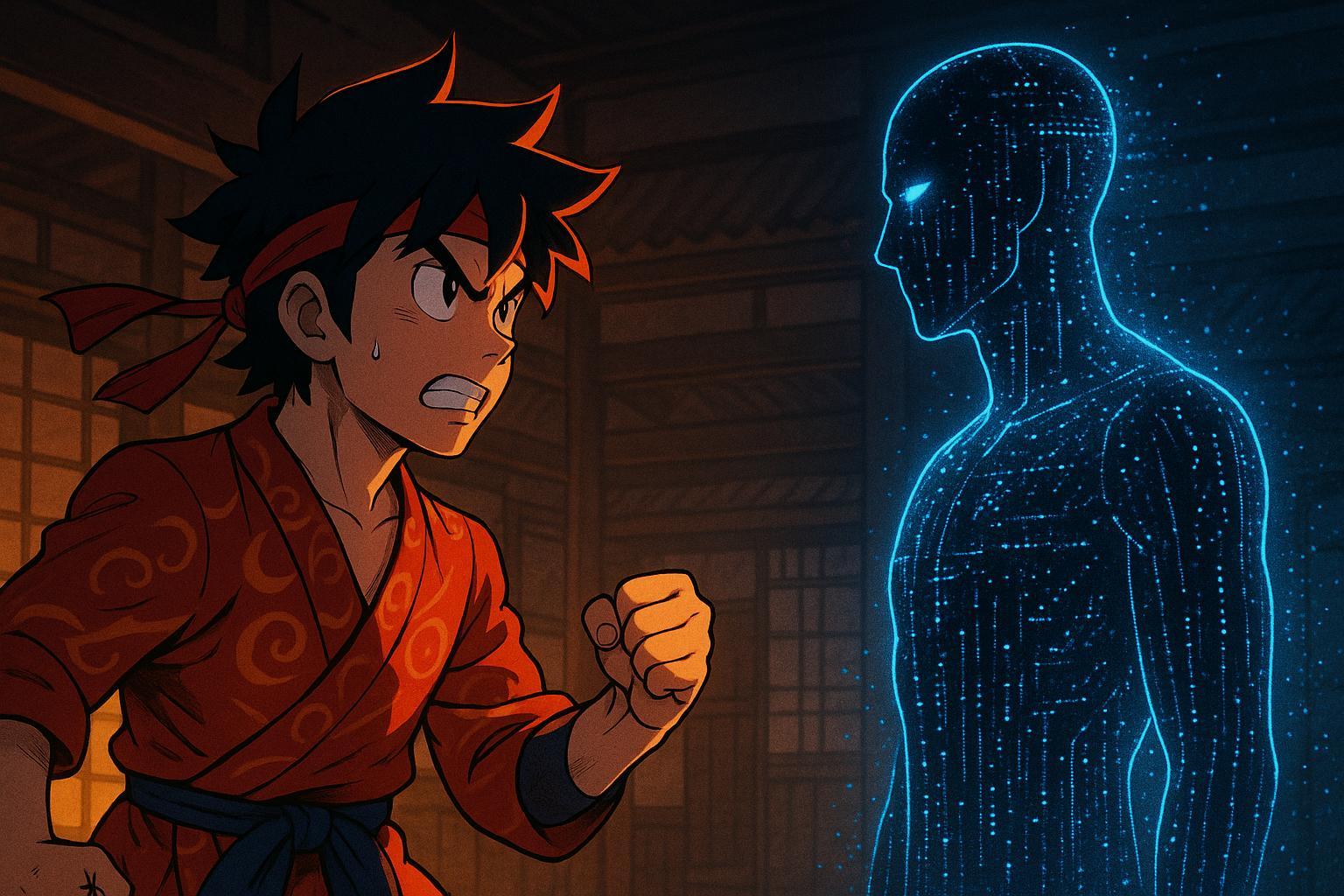
A coalition of Japanese animation studios has taken a firm stance against OpenAI, accusing the company of improperly using their copyrighted content to train its AI video generation tool, Sora 2. In a public letter, the Content Overseas Distribution Association (CODA) alleges that OpenAI’s practices violate Japanese copyright laws and has called for immediate action.
CODA's claims against OpenAI's Sora 2
On October 28, CODA - a trade organization focused on promoting Japanese content internationally and combating piracy - published an open letter addressing its concerns. The letter points to Sora 2, a video-generating AI platform launched by OpenAI in September, accusing it of replicating content that closely mirrors Japanese animation and imagery.
"CODA has confirmed that a large portion of content produced by Sora 2 closely resembles Japanese content or images. CODA has determined that this is the result of using Japanese content as machine learning data", the organization stated. CODA further argued that this process may involve "copyright infringement" since specific copyrighted works are being reproduced or "similarly generated as outputs."
The letter also criticized OpenAI’s reliance on an opt-out system that allows rights holders to request the exclusion of their works. CODA argues that, under Japan’s copyright system, creators must grant explicit permission for their works to be used, and an opt-out approach fails to meet this requirement. "Under Japan’s copyright system, prior permission is generally required for the use of copyrighted works, and there is no system allowing one to avoid liability for infringement through subsequent objections", CODA explained.
The organization is demanding that OpenAI cease using its members’ content for machine learning without explicit consent. Furthermore, CODA has urged OpenAI to respond directly to copyright infringement claims raised by its member companies.
Major industry names unite against AI misuse
CODA’s member list includes some of Japan’s most renowned media companies, such as Studio Ghibli, Aniplex, Bandai Namco, Square Enix, Kadokawa, and Shueisha. The collective opposition signals a significant pushback from key players in Japan’s globally admired animation and gaming industries.
As reported by Automaton Media, this isn’t the first instance of prominent Japanese creators voicing concerns over AI. Studio Ghibli co-founder Hayao Miyazaki expressed disdain for AI-generated content as far back as 2016. After being shown an AI animation demo, Miyazaki remarked, "I am utterly disgusted. If you really want to make creepy stuff you can go ahead and do it. I would never wish to incorporate this technology into my work at all." He went further, calling the demo "an insult to life itself."
Beyond CODA, publishers like Shueisha, known for iconic works such as One Piece and Dragon Ball, have joined the movement. According to Essential Japan, Shueisha has called for "a national-level response, including legal reforms" to protect copyrighted content from unauthorized AI training.
Government and industry leaders weigh in
The concerns raised by Japan’s animation industry have drawn attention at the national level. Medianama reports that Minoru Kiuchi, Japan’s Minister of State for Intellectual Property and AI Strategy, expressed direct concerns to OpenAI earlier in October regarding the unauthorized use of Japanese media in Sora 2. Additionally, Japanese MP Akihisa Shiozaki described the situation as a threat to Japan’s content industry, stating in an October 5 tweet, "Japan’s content industry is in danger."
In response to mounting criticism, OpenAI CEO Sam Altman announced measures to provide rights holders with more control over the use of their intellectual property in AI-generated content. Altman also revealed plans to monetize Sora 2 and share revenue with rights holders. However, this approach has faced criticism, with some viewing it as "an attempt to commercialize copyrighted content before clear consent mechanisms are in place", as reported by Medianama.
Ongoing debate over AI and copyright
The clash between OpenAI and Japanese animation studios underscores the growing tension between AI innovation and intellectual property rights. CODA’s demands reflect broader concerns within the creative industries about how AI tools are developed and deployed using copyrighted material. As this conflict unfolds, the outcome could set critical precedents for the integration of AI in creative fields worldwide.
LongStories is constantly evolving as it finds its product-market fit. Features, pricing, and offerings are continuously being refined and updated. The information in this blog post reflects our understanding at the time of writing. Please always check LongStories.ai for the latest information about our products, features, and pricing, or contact us directly for the most current details.