
How to Integrate AI into Project-Based Learning
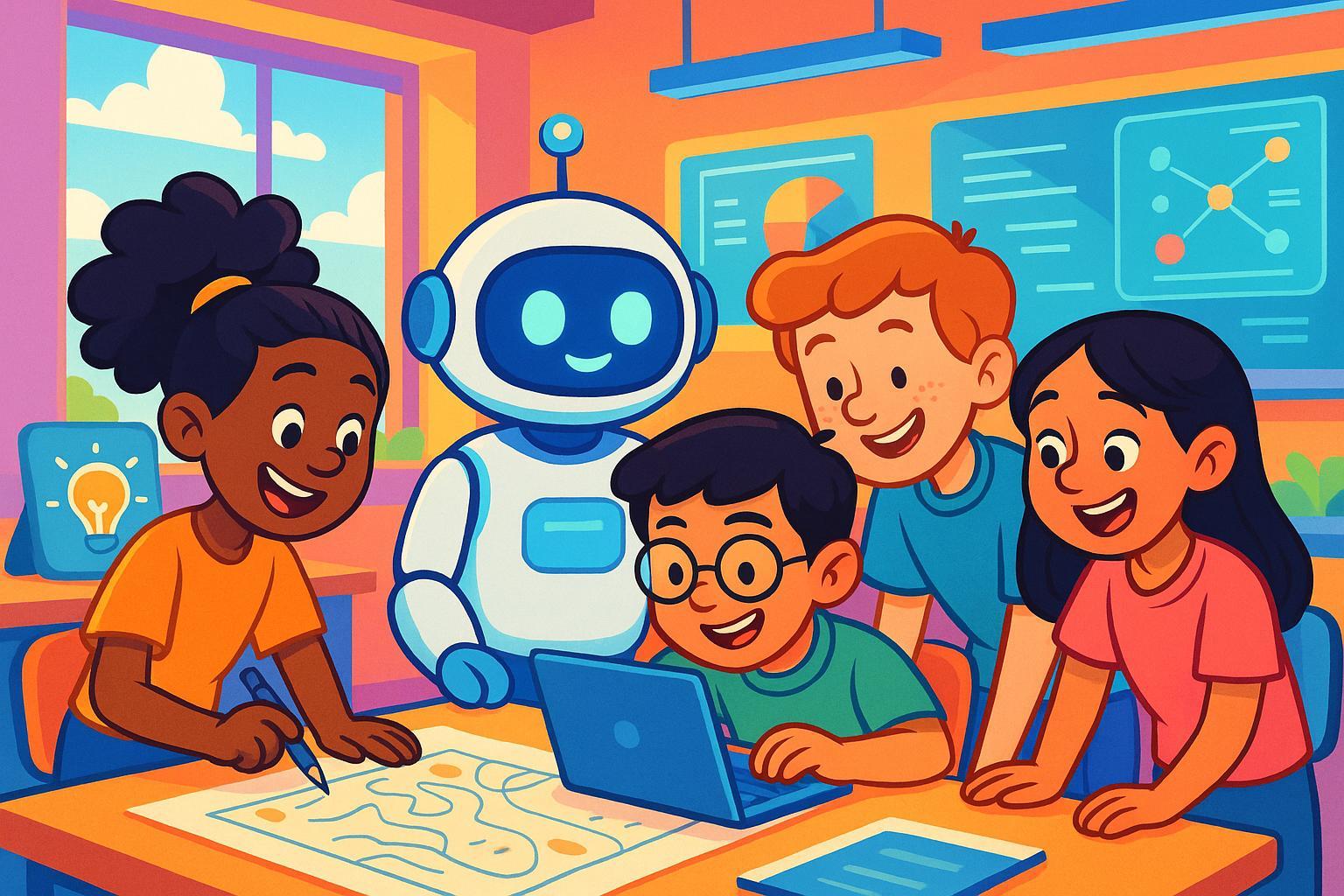
In today’s ever-evolving educational landscape, teachers, parents, and childcare providers are exploring innovative tools that not only engage children but also prepare them for a tech-driven world. Artificial Intelligence (AI) is at the forefront of this revolution, particularly in enhancing project-based learning (PBL). A recent dialogue among educational leaders delved into how integrating AI into classrooms can redefine the teaching experience, making it more personalized, efficient, and impactful.
This article explores the transformative potential of AI in PBL, highlighting practical applications, addressing concerns about technology use, and showcasing how it empowers both teachers and students.
The Role of AI in Project-Based Learning
Project-based learning is a dynamic teaching approach where students actively explore real-world problems and challenges. However, many educators have struggled with the demanding organizational and planning processes required for PBL. AI significantly eases these challenges, enabling educators to maximize their impact.
1. Streamlining Teacher Workflows
One of the most challenging aspects of PBL is designing projects that cater to diverse student needs and interests. AI tools can simplify this process by:
- Generating project ideas aligned with curriculum standards.
- Suggesting scaffolded activities to guide students through complex tasks.
- Providing frameworks for assessing student progress and outcomes.
Casey Chambers, an education success expert, explained how AI allows teachers to focus on where they’re most needed rather than spending hours on administrative tasks. "It’s like having an assistant who ensures students progress at their own pace, while I’m free to support those who need me most", she shared.
2. Fostering Individualization and Differentiation
AI enables an unprecedented level of individualized instruction. It can analyze student data to create tailored interventions, personalized content, and differentiated materials. For example:
- Teachers can input a class reading passage into AI and generate simplified versions for students at different reading levels.
- Newcomer students who speak little or no English can receive lesson translations in their native language, fostering inclusion.
- Students with unique interests, such as Minecraft or Taylor Swift, can see those passions incorporated into lessons, making learning both engaging and relatable.
Amanda Bullinger, a district administrator, highlighted that AI removes barriers to learning. "It’s not just about accessibility - it’s about empowering students to participate, regardless of their starting point."
3. Enhancing Student Agency and Creativity
AI offers students opportunities to engage in higher-level thinking by incorporating their passions into educational content. Whether it’s exploring fractions through Minecraft or learning literary devices via Taylor Swift lyrics, AI-powered tools connect with students’ interests to spark creativity and innovation.
By making learning personalized and fun, students not only grasp the content but also take ownership of their educational journey. This leads to deeper engagement and more meaningful outcomes.
Balancing Technology and Traditional Teaching
Amid concerns about excessive screen time, the conversation emphasized the importance of intentional technology use. Panelists agreed that AI should enhance - not replace - core teaching practices. Reading, writing, and face-to-face interactions remain fundamental, but AI serves as a tool to support these skills.
Educators were encouraged to:
- Use AI proactively during lesson planning, embedding universal design principles to address diverse student needs.
- Strike a balance, integrating AI tools selectively to ensure they serve specific learning goals.
"Technology isn’t going away", Amanda noted. "But it’s our job to teach kids how to use it effectively as a tool for learning, not just entertainment."
Key Concerns and Solutions
Concerns about AI in classrooms often revolve around fears of over-reliance or misuse. However, the panelists provided insights into how these challenges can be mitigated:
- Ensuring Equity: AI can level the playing field by providing tailored learning materials for all students, including those with learning gaps or multilingual backgrounds.
- Maintaining Teacher Roles: By automating repetitive tasks like grading or grouping students, AI frees up teachers’ time for meaningful interactions and feedback.
- Promoting Digital Citizenship: Schools must integrate teachings on ethical AI use, digital literacy, and critical thinking to prepare students for a tech-savvy future.
Real-World Impact: Why AI Matters for Teachers and Students
The use of AI in education is not just a trend - it’s a necessity in preparing students for tomorrow’s world. As technology becomes an integral part of society, educators must embrace tools that foster innovation and efficiency. By integrating AI thoughtfully, they can:
- Amplify their teaching impact.
- Meet students’ diverse needs.
- Cultivate lifelong skills in creativity, problem-solving, and adaptability.
As one panelist reflected, "When used correctly, technology doesn’t just make teaching easier - it makes it better."
Key Takeaways
- AI simplifies PBL: Teachers can use AI to generate project ideas, scaffold tasks, and assess outcomes more efficiently.
- Differentiated instruction: AI creates personalized materials to meet diverse student needs, ensuring no one is left behind.
- Higher-level engagement: By connecting lessons to students’ passions, AI fosters creativity and deeper learning.
- Balanced tech use: AI enhances traditional teaching methods without replacing core skills like reading and writing.
- Universal accessibility: AI removes barriers, enabling students of all backgrounds to access and participate in classroom activities.
- Teacher empowerment: By automating repetitive tasks, AI allows educators to focus on personalized support and meaningful interactions.
- Real-world preparation: Teaching students how to responsibly use AI equips them for a tech-driven society.
Conclusion
AI has the potential to transform project-based learning from a burdensome task into an enriching experience for both teachers and students. By integrating AI thoughtfully, educators can create personalized, engaging, and efficient learning environments that prepare children for the future. While challenges around screen time and ethical use remain, a balanced approach ensures that technology serves as a powerful ally in education.
Ultimately, the goal is clear: to empower students to learn, create, and thrive in a world increasingly shaped by innovation. By embracing AI, educators can meet this challenge head-on, delivering enriched learning experiences that inspire curiosity and lifelong growth.
Source: "Project Based Learning in K-12 Classrooms with Holly Clark" - SchoolAI, YouTube, Aug 19, 2025 - https://www.youtube.com/watch?v=D4MP_5AG4bI
Use: Embedded for reference. Brief quotes used for commentary/review.
Related posts
LongStories is constantly evolving as it finds its product-market fit. Features, pricing, and offerings are continuously being refined and updated. The information in this blog post reflects our understanding at the time of writing. Please always check LongStories.ai for the latest information about our products, features, and pricing, or contact us directly for the most current details.