
How Animation Helps Language Development and Preservation
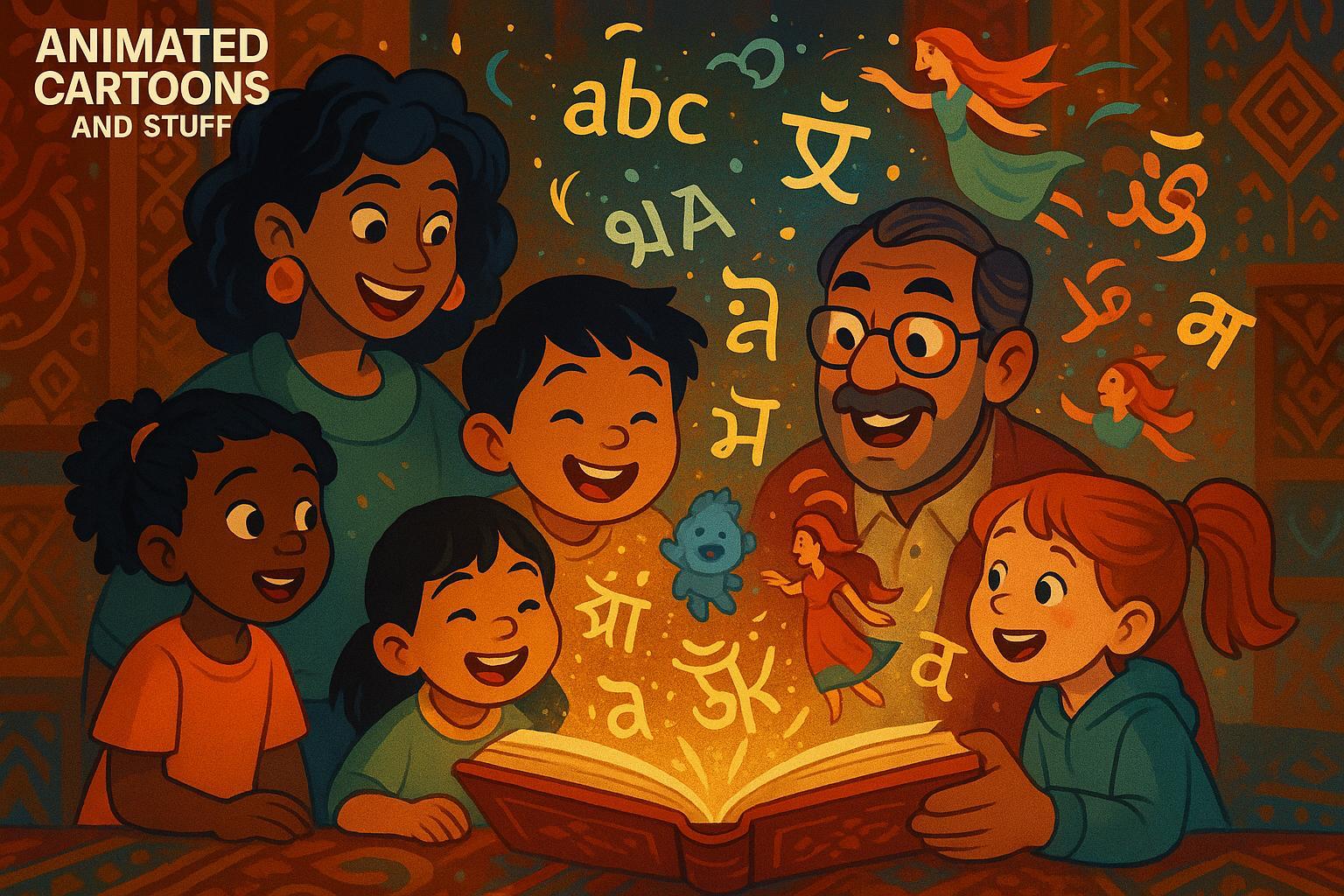
The intersection of animation and cultural education is a rapidly growing field, particularly in regions where native languages are underrepresented in mainstream media. Animation has proven its potential to engage young audiences in meaningful ways, making it a powerful tool for language acquisition and cultural preservation. In this article, we delve into how animation is being leveraged to preserve indigenous languages, nurture cultural identity, and create engaging learning experiences for children. Drawing insights from a panel discussion featuring creators from the Igbo Kids Club and Mmuta Di Uto, we'll explore the challenges, opportunities, and transformative impact of animated content on language development.
Why Animation Matters for Language Learning
Animation is not just entertainment; it’s a medium that captivates attention, encourages interaction, and fosters memory retention. As one of the panelists, Udoi So K.K., noted, "If people don’t go into animation, children will gravitate toward watching someone else’s language in animation." This highlights the urgency of creating culturally reflective content to ensure children connect with their heritage while consuming modern media.
Key benefits of animation for language learning include:
- Engagement: Children are naturally drawn to colorful visuals, lively characters, and dynamic storytelling.
- Memorability: Music, repetition, and animated scenarios anchor language concepts in young minds.
- Cultural Representation: By featuring local languages, symbols, and attire, animation helps children see their identities reflected in their media.
Sophia Malisu, creator of Igbo Kids Club, shared how her own experience learning a second language through cartoons inspired her to launch a platform that uses animation to teach Igbo. Her content pulls from everyday life scenarios, making it relatable and accessible for children and families.
The Role of Animation in Cultural Preservation
Beyond language learning, animation serves as a tool for cultural preservation. Stories, traditions, and even clothing styles specific to a culture can be immortalized through animated characters and narratives. According to Udoi, animation acts as a "beautiful testament" of a community’s values and identity.
By creating cartoons in Igbo and other African languages, creators like Udoi and Sophia are actively countering the risk of cultural erasure. They emphasize that without this type of media, children may grow up disconnected from their linguistic and cultural roots, diminishing the transmission of generational knowledge.
Why Children’s Attention Matters
Children imitate what they see and hear. As Sophia pointed out, if kids are only exposed to English-speaking media, they are more likely to communicate solely in English, even in bilingual or multilingual households. Local-language animation provides an alternative that reinforces native language use while still being entertaining and engaging.
Challenges in Creating Animated Content
While the benefits of animation for language and cultural preservation are clear, creators face significant challenges. Both Sophia and Udoi shared some of the hurdles in their work:
1. Funding Constraints
Animation is resource-intensive, requiring skilled animators, software, and equipment. In regions like Nigeria, where infrastructure challenges such as electricity shortages are common, producing high-quality animated content can be costly.
2. Time Management
Animation takes time. Sophia revealed that juggling her passion project with other responsibilities often delays production timelines. Additionally, coordinating voice recordings with child actors adds another layer of complexity.
3. Authenticity and Representation
Ensuring cultural accuracy in every detail - from language dialects to clothing - requires meticulous research and collaboration with experts. Misrepresentation can lead to criticism and undermine the purpose of the animation.
4. Lack of Awareness
Despite its potential, animation in African languages remains underfunded and underappreciated, making it difficult to attract investors and broaden reach.
How Creators Make Animated Content Stand Out
To overcome these challenges, creators employ several strategies to make their content effective and memorable.
Relatability
Sophia makes her animations realistic by drawing inspiration from everyday family life. For example, one episode features a humorous interaction where a child misunderstands a simple Igbo greeting, reflecting common struggles in language acquisition among children raised outside their native language environment.
Vibrant Visuals and Music
Animation targeted at children relies on bright colors, lively characters, and engaging soundtracks to capture attention. Both creators use music as a tool to enhance memory and make learning fun. Udoi emphasized that music is "tied to memory", adding that children often learn songs more easily than textbook material.
Cultural Markers
From traditional attire to linguistic nuances, creators ensure their animations reflect the cultural identity of their target audience. This not only strengthens cultural pride but also introduces children to symbols and values unique to their heritage.
The Broader Implications: Expanding Beyond One Culture
While both Sophia and Udoi currently focus on Igbo language and culture, they acknowledge the potential to create animations for other Nigerian and African languages. However, they stress the importance of authenticity, noting that individuals from specific cultural communities are best positioned to tell their stories.
As Udoi explained, "The best person to create for your identity and culture is yourself." While collaborations with other communities could be possible, efforts must prioritize accuracy and avoid misrepresentation.
Practical Advice for Aspiring Animators
For those inspired to create their own animated content, here are some valuable tips shared during the discussion:
- Define Your Story and Audience: Understand the values, lessons, and age group you want to target.
- Start Small: Use accessible tools like Adobe Animate, Toon Boom, or even free software to experiment with animation.
- Collaborate: Partner with voice actors, translators, and cultural experts to ensure linguistic and cultural accuracy.
- Leverage Music: Incorporate songs and rhymes to enhance memory retention.
- Stay Resilient: Be prepared for challenges like funding and time constraints but stay committed to your vision.
Key Takeaways
- Animation is a transformative tool for preserving language and culture, especially for children.
- Cultural representation matters: Children need to see their identities reflected in media to feel pride in their heritage.
- Music enhances learning: Combining animation with music improves memory retention and engagement.
- Authenticity is crucial: Misrepresenting cultural or linguistic elements can harm the intended impact of the content.
- Collaboration is key: Working with experts, translators, and voice actors ensures quality and accuracy.
- Challenges exist, but impact is significant: From funding to infrastructure issues, the hurdles are real, but the long-term benefits make the effort worthwhile.
Conclusion
The rise of animation as a medium for language learning and cultural preservation signals a new era for education and entertainment in Africa. By creating relatable, engaging, and culturally authentic content, animators like Sophia Malisu and Udoi So K.K. are laying the foundation for a generation of children connected to their roots. While challenges persist, the potential to transform how we teach and preserve our languages is limitless. As more creators join this movement, the future of indigenous languages in animation looks exceptionally bright.
Source: "Animation as a Valuable Tool for Language Digitization and Development" - Nigerian Languages Data and Sci-Tech Conference, YouTube, Aug 21, 2025 - https://www.youtube.com/watch?v=ajGWCZAsDa8
Use: Embedded for reference. Brief quotes used for commentary/review.
Related posts
LongStories is constantly evolving as it finds its product-market fit. Features, pricing, and offerings are continuously being refined and updated. The information in this blog post reflects our understanding at the time of writing. Please always check LongStories.ai for the latest information about our products, features, and pricing, or contact us directly for the most current details.