
Beginnings and Endings: How to Hook Students
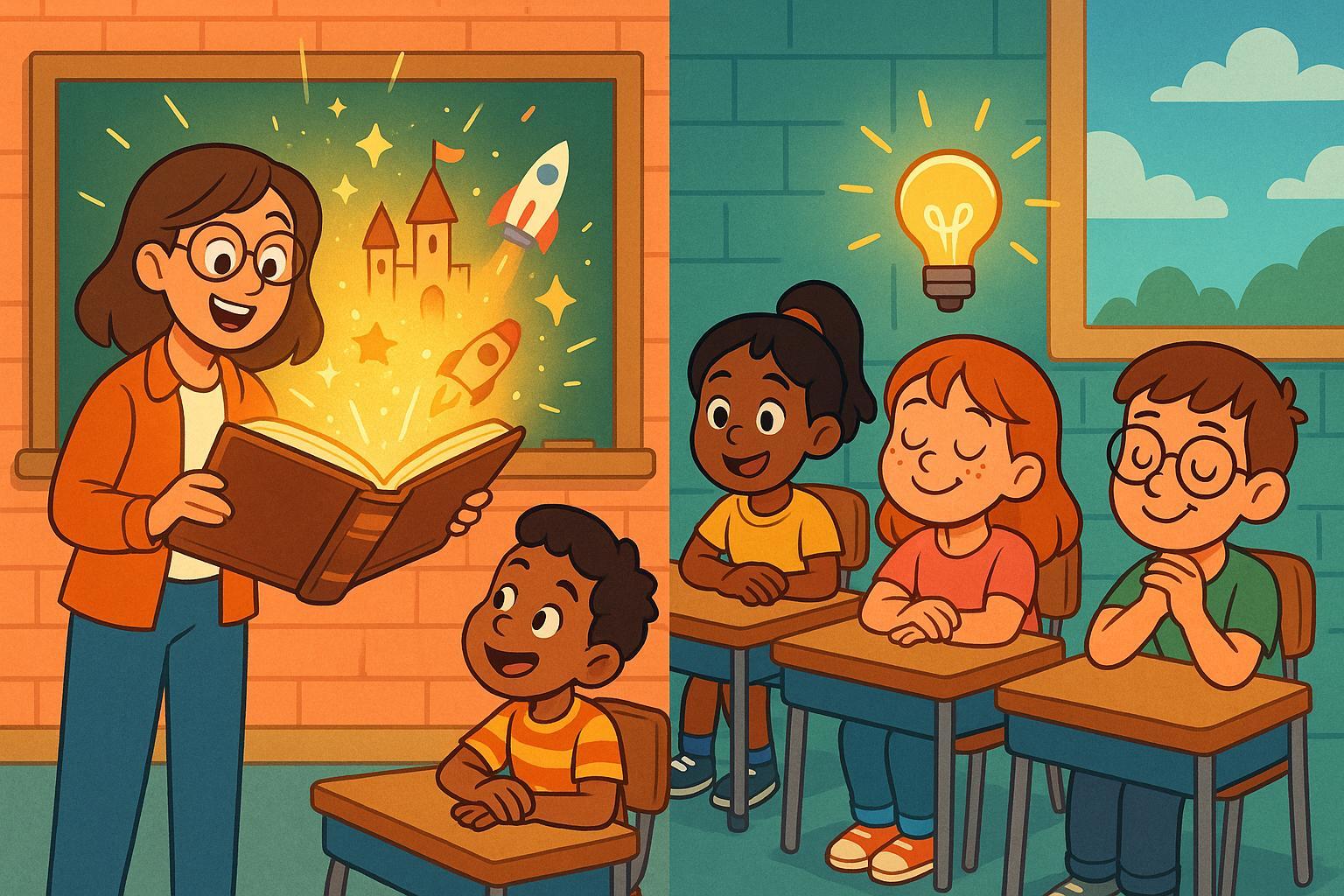
First impressions matter, and so do last ones. Whether it's the opening lines of a beloved bedtime story, the first day of school, or the crescendo of an engaging classroom lesson, beginnings and endings set the tone and leave lasting memories. Educators, parents, and anyone involved in shaping young minds can benefit from adopting strategies that harness the power of compelling starts and impactful finishes.
This article explores how to create dynamic beginnings and endings for lessons, classroom units, and even school years to captivate children's attention, foster curiosity, and ensure meaningful learning experiences.
Why Beginnings and Endings Matter in Education
Imagine walking into a classroom or starting a story only to be greeted by monotony. For many children, the first day of school or the start of a lesson is often associated with reviewing rules or going through dry syllabi. But what if it didn’t have to be this way?
Research shows that students form impressions about their teachers and the learning environment within moments. These impressions can shape their engagement and success throughout the school year. Similarly, endings leave lasting emotional and cognitive imprints, shaping how students recall their experiences. Nobel Prize-winning psychologist Daniel Kahneman's concept of "peak and ending memory" emphasizes the significance of emotionally charged moments and strong finishes over the duration of an experience.
In education, this means that as parents and educators, we should focus on creating moments that spark curiosity and leave lasting lessons.
Crafting Engaging Beginnings
The start of any lesson, unit, or school year is a prime opportunity to set the tone. Here are strategies to ensure your beginnings grab attention and foster excitement:
1. Break Expectations
Many children enter classrooms expecting the same routines year after year. Flip these expectations by doing something unexpected. For example:
- Start with a story: Share a personal anecdote or a relevant tale that ties into the topic of the day.
- Use a dramatic action or experiment: Science teachers might begin a lesson with an engaging experiment, like making something explode or change color.
- Pose a provocative question: Begin with a question that challenges assumptions or sparks debate.
2. Incorporate Multimedia
Short videos, intriguing images, or even a snippet from a movie can serve as powerful tools to hook children. For instance:
- A clip from a movie like Braveheart or Dead Poets Society can create excitement.
- Displaying an unexpected photo (such as a towering sequoia tree for a geography lesson) can spark curiosity and conversation.
3. Leverage Stories
Humans are hardwired to connect with stories. Use storytelling to establish themes or concepts:
- Tell an anecdote about overcoming challenges if you're teaching perseverance or resilience.
- Relate stories to the content of the lesson to make abstract ideas concrete.
4. Personalize the Experience
If you're a parent working with your child or a teacher leading a classroom, involve the learners from the start:
- Instead of dictating rules, ask children to suggest expectations for themselves and for you. This fosters ownership and mutual respect.
- Begin with an activity that reflects their experiences or interests to establish relevance.
5. Create Curiosity
The ultimate goal is to ignite curiosity. Whether through a mystery to solve, an unsolved question, or a surprising fact, beginnings should leave students eager to learn more.
Designing Memorable Endings
While starting strong is essential, ending with impact ensures the learning sticks. Endings are often overlooked in education, but they are critical for reflection, retention, and emotional resonance. Here are strategies to make endings just as powerful:
1. Tie It All Together
- Use reflective prompts that connect the day's learning to real-life applications. For example: "How does today’s lesson on ecosystems connect to your community?"
- Pose thought-provoking questions that encourage deeper analysis, such as: "What would happen if ecosystems lost one critical species?"
2. Leave with a Question
Endings that pose unresolved but meaningful questions stimulate curiosity beyond the classroom. For instance:
- "How might this concept change the way you think about the environment?"
- "If you were in this historical figure's shoes, what would you have done differently?"
3. Encourage Reflection
Reflection cements learning and allows students to process what they've learned. Try:
- Asking students to write a letter to an imaginary "confused friend", summarizing the day's lesson and offering tips for understanding.
- Concluding lessons with group discussions about key takeaways.
4. Incorporate Emotional Peaks
Powerful emotions during endings make them memorable. Use storytelling, emotional videos, or celebrations to leave students feeling inspired.
5. Celebrate Success
Whether through a portfolio presentation or a reflection on growth over time, celebrations give learners a sense of accomplishment. For parents, this could involve showcasing a child’s progress in a particular skill or project.
Strategies for Units and School Years
Scaling these concepts to units or entire school years requires intentional planning. Here's how to make larger learning experiences impactful:
1. Start Units with Big Ideas
To hook students into a new unit:
- Use anticipation guides to challenge assumptions. For example, begin a history unit by asking: "Did the Revolutionary War benefit everyone equally?"
- Incorporate guest speakers to share real-world connections to the topic.
- Use hands-on activities to introduce key concepts.
2. End Units with Culminating Projects
The end of a unit should allow students to showcase their learning:
- Performance-based activities like skits or debates help students apply knowledge in creative ways. For example, students studying Shakespeare could perform scenes from Macbeth.
- Group projects or presentations where students lead discussions about their work.
3. End the School Year with Reflection
For teachers and parents alike, the end of the year is an opportunity to celebrate growth:
- Have students compile a portfolio of their best work and share it with parents or peers.
- Encourage them to identify how they grew academically and personally throughout the year.
The Role of Parents in Creating Strong Beginnings and Endings
Parents play a vital role in fostering curiosity and creating meaningful learning moments at home. Here’s how to adapt these strategies for parenting:
- Start bedtime stories with wonder: Use dramatic voices, questions, and pauses to bring stories to life.
- End with connection: Ask your child what they learned or how they relate to the characters.
- Celebrate progress: At the end of a project or skill-building activity, reflect together on how much they’ve grown.
Key Takeaways
- First impressions matter: Start lessons, units, and school years with engaging activities, stories, or multimedia to spark curiosity.
- Emotions create memories: Use emotionally charged beginnings and endings to make learning experiences unforgettable.
- Curiosity drives engagement: Ask thought-provoking questions and incorporate storytelling to keep learners invested.
- Reflection cements growth: Encourage learners to summarize, reflect on, and connect their learning to real life.
- Celebrate success: Whether through portfolios, performances, or discussions, recognize achievements to leave a lasting positive impact.
Creating dynamic beginnings and endings is an art that combines science, creativity, and empathy. Whether you're a parent, teacher, or caregiver, these strategies can transform learning into a memorable journey that inspires lifelong curiosity and growth. By starting with excitement and ending with meaning, we can help children not only learn but truly thrive.
Source: "Beginnings and Endings: How to Hook Students and Make Learning Stick" - SREBvideo, YouTube, Sep 9, 2025 - https://www.youtube.com/watch?v=vtsf3Kw0e64
Use: Embedded for reference. Brief quotes used for commentary/review.
Related posts
LongStories is constantly evolving as it finds its product-market fit. Features, pricing, and offerings are continuously being refined and updated. The information in this blog post reflects our understanding at the time of writing. Please always check LongStories.ai for the latest information about our products, features, and pricing, or contact us directly for the most current details.